2024
RF · Antenna · VNA915 MHz Matching Network
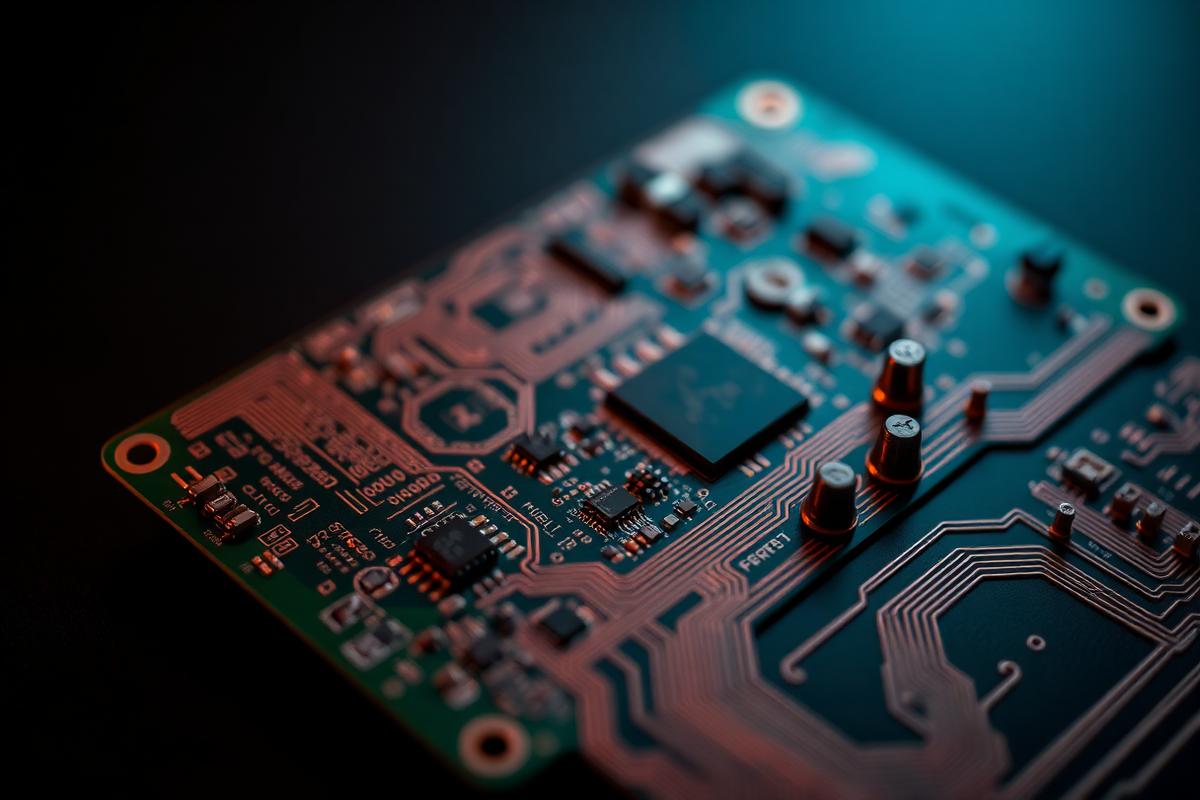
Designed and measured a π-network matching a LoRa PA into a PCB antenna, cutting VSWR from 3.8 to 1.3.
01
Approach & key decisions
Match design
Measured S11 on a NanoVNA, pulled the Smith-chart locus with a discrete π-network, and iterated two board spins with adjustable footprints.
Layout
50 Ω coplanar waveguide with a continuous ground return, stitching vias every λ/20, and keep-outs under the antenna clearance zone.
System spec
- Band
- 902–928 MHz ISM
- PA
- RFM95W module
- Instrument
- NanoVNA-H4 + field strength meter
- Tools
- KiCad, SimSmith
02
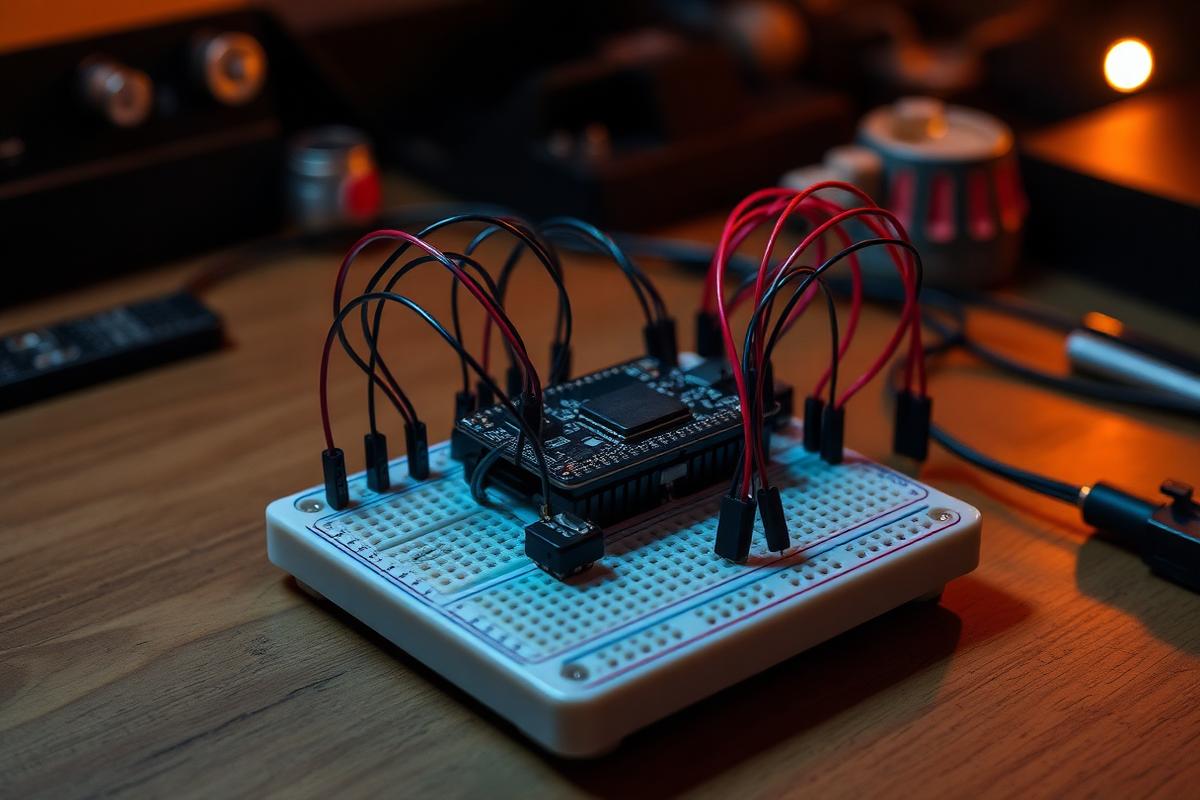
Build gallery
03
Debugging timeline
Rev A
Match looked good on the VNA but field strength barely moved.
Ground plane under the monopole was still shorting the near-field. Opened a full clearance and restitched only at the feed.
04
Results & final demo
- VSWR improved from 3.8 to 1.3 at 915 MHz.
- Received RSSI at 240 m improved by ~7 dB through the same path.
05
The problem
A prototype LoRa node radiated poorly because the PA saw a reactive antenna impedance. Link budget left almost no margin through a single interior wall.
Next project
Scout — Robot Guide Dog
Built Scout, a TurtleBot3-based robot guide dog with real-time crosswalk and traffic-light vision, LiDAR person-tracking, and a fail-safe velocity-gate stack — led perception and safety-control on a 4-person Human-Robot Interaction team.
Closed-Loop BLDC Driver
Designed a 24 V field-oriented BLDC driver board and control loop holding ±0.3° position error under a 0.4 Nm step load.
Handheld Signal Analyzer
Built a pocket 1 MS/s scope and logic analyzer with a custom analog front end and machined aluminum enclosure, validated against a bench Rigol to within 1.8%.
Precision Current Source
Built a 0–20 mA Howland current pump with 0.05% FS error for sensor excitation and calibration benches.
Lab Power Rail Monitor
USB-C multi-rail logger that watches 3.3 / 5 / 12 V benches for droop and glitch events down to 20 µs.
Line-Following Robot
PID-tuned line follower that completed the course using seven photoresistors, a custom PCB, a 3D-printed chassis, and a light shield — finished the entire track with one manual nudge due to surface bumps.